 09 Jul , 2026
By Carafina
Choosing hair and skin care products has become more complicated as ingredient lists grow longer and marketing claims become harder to verify. Many people want products that support healthy skin and hair without exposing themselves to unnecessary chemicals or harsh additives.
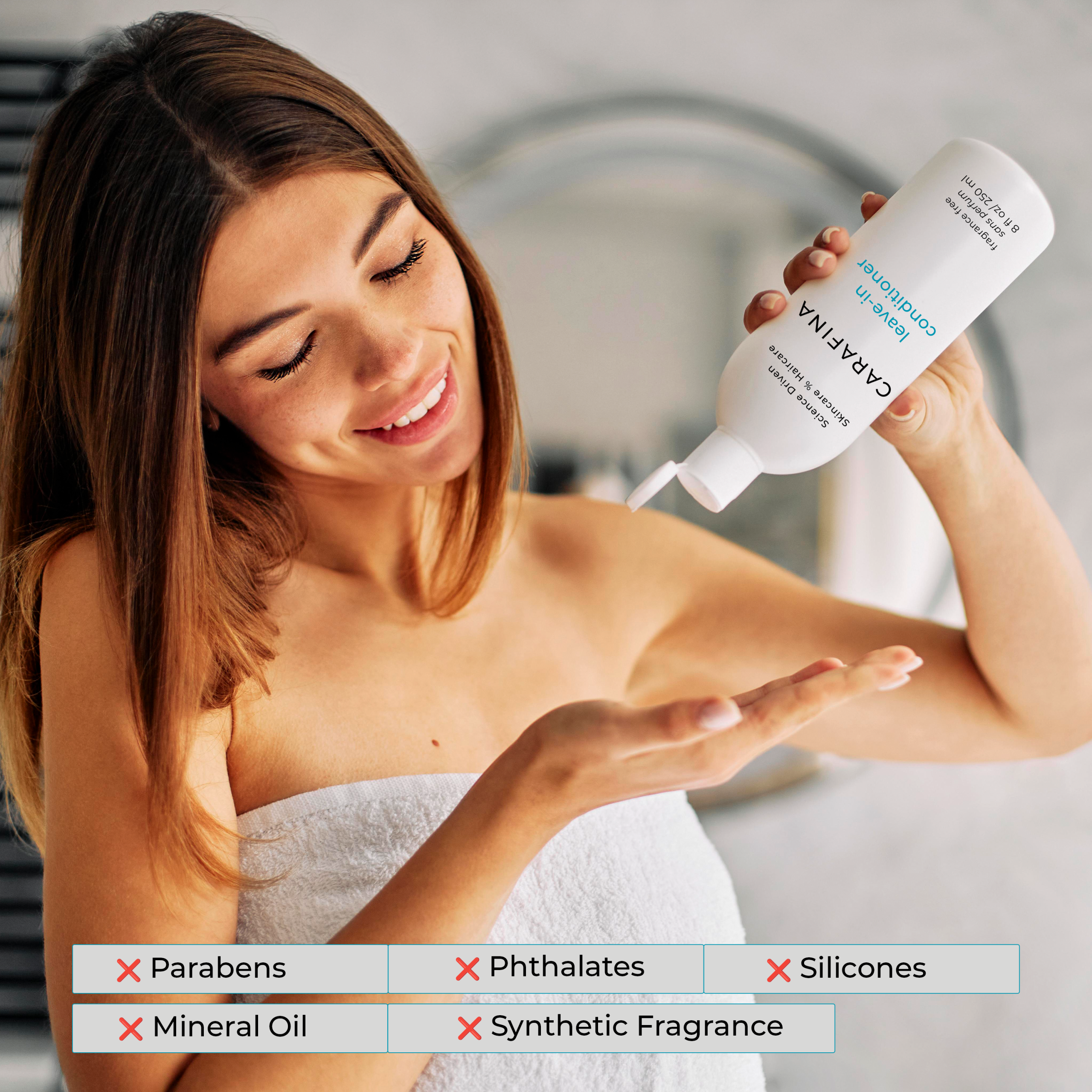
The ingredients many consumers choose to avoid include parabens, sulfates, formaldehyde-releasing preservatives, phthalates, synthetic fragrances, certain drying alcohols, and some harsh preservatives. Instead, many people look for gentle cleansers, plant-based oils, botanical extracts, naturally derived moisturizers, and products formulated with transparency and skin compatibility in mind.
Understanding what goes into your personal care products helps you make decisions that align with your health goals, skin type, and lifestyle. Your skin is your body’s largest organ, and while not every ingredient is dangerous, repeated exposure to harsh or irritating substances can contribute to dryness, redness, sensitivity, or damaged hair over time.
CARAFINA LLC believes education should come before product selection. We encourage consumers to understand what they’re putting on their bodies so they can confidently choose products that support healthy skin and beautiful hair.
The ingredients below are commonly discussed because of their potential to irritate sensitive skin, dry out hair, or raise concerns among consumers. Individual reactions vary, and product formulation always matters.
Parabens are preservatives used to prevent bacteria and mold growth in cosmetics.
Some consumers choose paraben-free products because of ongoing discussions about hormone-related concerns, although regulatory agencies continue to evaluate their safety within approved usage levels.
Instead, look for products preserved with modern, well-researched alternative preservation systems designed to maintain product safety while minimizing irritation.
Sulfates such as Sodium Lauryl Sulfate (SLS) and Sodium Laureth Sulfate (SLES) create the rich lather many people associate with cleansing.
While effective cleansers, sulfates can strip away natural oils, leaving some skin feeling dry and some hair feeling brittle, especially for individuals with curly, color-treated, or chemically processed hair.
Better alternatives include:
The term “fragrance” or “parfum” may represent dozens or even hundreds of individual ingredients that manufacturers are not always required to disclose individually.
Although many fragrance ingredients are perfectly acceptable for most users, synthetic fragrance is also one of the most common causes of cosmetic sensitivity.
Instead, consider:
Phthalates have traditionally been used in some cosmetic products to help fragrances last longer and improve texture.
Many modern personal care brands have eliminated phthalates from their formulations because of changing consumer preferences and increased ingredient transparency.
Some preservatives slowly release very small amounts of formaldehyde over time to prevent microbial growth.
Examples include:
Individuals with sensitive skin often choose products formulated without these preservatives.
Mineral oil is highly refined and widely used in cosmetics as an effective moisturizer. While many experts consider cosmetic-grade mineral oil safe, some consumers prefer plant-based oils because they offer additional vitamins, antioxidants, and fatty acids.
Popular alternatives include:
Not all alcohols are bad.
Fatty alcohols like cetyl alcohol and stearyl alcohol are moisturizing ingredients.
However, alcohol denat., isopropyl alcohol, and ethanol may dry the skin or scalp when used frequently in certain formulations.
Rather than focusing only on avoiding certain ingredients, it is equally important to seek beneficial ingredients that actively support healthy skin and hair.
Helps attract moisture to the skin, improving hydration and softness.
One of the most effective humectants available, glycerin helps draw moisture into both skin and hair.
Known for its soothing properties, aloe vera can help calm irritated skin while providing lightweight hydration.
Rich in fatty acids and vitamins, shea butter helps nourish dry skin and improve moisture retention.
Ceramides help strengthen the skin barrier, making them particularly valuable for dry or sensitive skin.
This versatile form of Vitamin B3 supports the skin barrier, helps improve uneven skin tone, and may reduce redness.
Quality botanical oils can provide nutrients while supporting healthier-looking hair and skin.
Examples include:
Many botanical extracts offer antioxidant benefits.
Examples include:
Your products may deserve a second look if you experience:
These symptoms can have many causes, but reviewing your routine is often a good place to start.
Not necessarily.
Poison ivy is natural, and many essential oils can cause irritation in sensitive individuals. Every ingredient should be evaluated based on safety, formulation, and intended use.
Everything is made of chemicals, including water.
The more helpful distinction is whether ingredients are well-studied, appropriately formulated, and suitable for your individual skin type.
Price alone does not determine product quality. Ingredient selection, formulation, manufacturing standards, and product stability matter much more than luxury branding.
A few simple habits can make shopping easier.
Mistake: Buying products based solely on marketing claims.
Better approach: Read the full ingredient list before purchasing.
Mistake: Using multiple harsh active ingredients together.
Better approach: Build a balanced routine with products designed to work together.
Mistake: Constantly changing products.
Better approach: Give quality products several weeks to show results unless irritation occurs.
A simple routine is often the most effective.
Start with:
Adding too many products at once can make it difficult to identify what is helping or causing irritation.
| Conventional Formulations | Ingredient-Conscious Formulations |
|---|---|
| May prioritize texture, fragrance, or shelf life | Often prioritize transparency and skin compatibility |
| Can include stronger detergents | Frequently use gentler cleansing agents |
| May rely on traditional preservatives | Often use alternative preservation systems |
| Wide variety of formulations | Often designed for sensitive or ingredient-conscious consumers |
Neither category is automatically better. The best choice depends on your individual skin, hair, and personal preferences.
No. Sulfates are effective cleansers, but some people find them too harsh for dry, curly, color-treated, or sensitive hair.
Not necessarily. Many consumers prefer paraben-free products, while regulatory agencies continue to review approved cosmetic uses. Your personal preferences and skin sensitivity should guide your decision.
No. Fragrance-free products contain no added fragrance, while unscented products may include ingredients that mask odors.
Unless irritation develops, many skin care products require four to eight weeks of consistent use before noticeable improvements become apparent.
Many people with sensitive skin look for products containing ceramides, glycerin, aloe vera, oatmeal, niacinamide, and gentle cleansing ingredients.
Yes. If your current products are causing buildup, dryness, or irritation, choosing formulations better suited to your hair type may improve overall hair health over time.
Choosing healthier hair and skin care products does not require memorizing every ingredient on every label. Learning about a handful of commonly avoided ingredients and understanding which nourishing alternatives to seek can make shopping much easier.
Healthy skin and beautiful hair begin with informed choices. If you’re looking for thoughtfully formulated products that support your wellness goals, explore the offerings from CARAFINA LLC and find solutions designed with quality ingredients in mind.


